
How Yoga for Anxiety Can Help Reduce Stress and Improve Mental Wellness
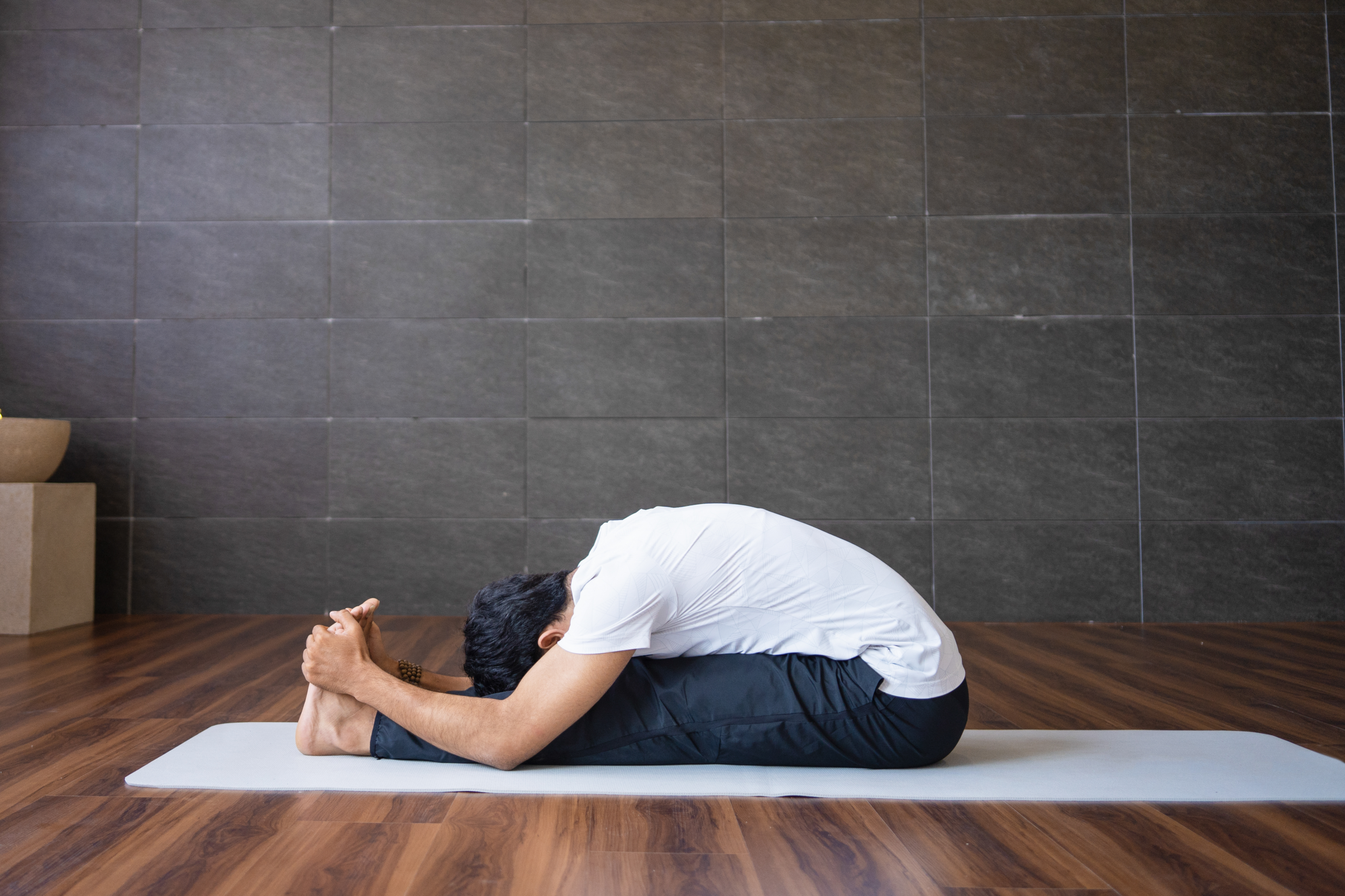
Feeling constantly worried, mentally exhausted, or unable to relax can affect your sleep, focus, relationships, and overall quality of life. Many people search for natural ways to manage daily stress and emotional pressure without depending only on temporary solutions. This is where yoga for anxiety can become a valuable part of a balanced wellness routine.
Yoga combines gentle physical movements, controlled breathing, and mindfulness practices that help create a stronger connection between the body and mind. When practiced regularly, yoga may support relaxation, emotional balance, and better stress management.
At PRANA Natural Alignment, yoga and holistic wellness approaches are designed to help individuals in India build healthier habits through mindful movement and natural practices. Understanding how yoga works can help you choose the right approach for your mental wellness journey.
What Is Yoga for Anxiety and How Does It Help Reduce Stress?
Yoga for anxiety is a mind-body practice that uses poses, breathing techniques, and mindfulness to encourage relaxation and improve emotional well-being. It helps calm the nervous system, release physical tension, and develop greater awareness of thoughts and feelings.
Anxiety often affects both the mind and body. People experiencing stress may notice symptoms such as racing thoughts, muscle tension, difficulty sleeping, rapid breathing, or constant feelings of worry. Yoga addresses these reactions by encouraging slow movements and controlled breathing patterns.
Regular yoga practice may help by:
- Supporting a calmer response to stressful situations
- Improving body awareness and relaxation
- Encouraging better breathing patterns
- Helping release physical tension
- Creating a peaceful daily routine
Unlike intense workouts that focus mainly on physical strength, yoga focuses on balance between movement, breathing, and mental awareness. This makes it suitable for beginners as well as experienced practitioners.
A consistent practice of yoga for stress and anxiety can help individuals develop healthier ways to respond to everyday challenges. Simple poses combined with mindfulness can encourage a sense of stability and inner calm.
How Does Yoga Practice Work for Anxiety Relief?
The effectiveness of yoga comes from its combination of physical movement, breathing control, and relaxation techniques. Most beginners can start with simple practices and gradually increase their routine as they become comfortable.
A typical yoga routine for relaxation may include these steps:
1. Gentle Warm-Up Movements
The practice usually begins with slow stretches and movements that prepare the body. These exercises help reduce stiffness and allow the mind to shift focus away from daily stress.
2. Relaxation-Focused Yoga Poses
Certain yoga poses encourage physical relaxation and improve body awareness. Beginner-friendly poses may include:
- Child’s Pose (Balasana)
- Cat-Cow Stretch (Marjaryasana-Bitilasana)
- Legs-Up-the-Wall Pose (Viparita Karani)
- Easy Pose (Sukhasana)
The goal is not perfection but creating a comfortable connection between breathing and movement.
3. Controlled Breathing Practices
Breathing plays an important role in managing stress responses. Slow and mindful breathing can help the body move from a tense state toward relaxation.
Practicing yoga breathing exercises may support better breath control and awareness. These techniques teach individuals how to use breathing patterns as a tool for calming the mind during stressful moments.
4. Mindfulness and Meditation
Many yoga sessions end with relaxation or meditation. These practices encourage present-moment awareness and help people observe thoughts without becoming overwhelmed by them.
What Are the Benefits of Practicing Yoga for Anxiety?
The main benefit of yoga is that it supports overall mental and physical balance by encouraging relaxation, awareness, and healthy stress management habits.
People who regularly practice yoga may experience benefits such as:
- Improved ability to manage daily stress
- Better relaxation and emotional control
- Increased body awareness
- Improved flexibility and physical comfort
- Support for better sleep routines
- A stronger connection between mind and body
Yoga can be helpful for different types of individuals, including:
- Beginners looking for natural relaxation techniques
- Professionals dealing with workplace stress
- Students managing academic pressure
- Individuals wanting a calming wellness routine
- People interested in holistic health practices
For those who experience difficulty relaxing at night, gentle yoga routines combined with breathing exercises for sleep may help create a peaceful bedtime routine. Slow breathing and relaxation-focused movements can prepare the body and mind for rest.
Learn More About Mindful Yoga Practices
How Often Should You Practice Yoga for Anxiety?
There is no single routine that works for everyone. The ideal frequency depends on personal goals, comfort level, and lifestyle.
Many beginners start with:
- 10–20 minutes of practice several times a week
- Gentle poses combined with breathing exercises
- Gradually increasing duration as they feel comfortable
Consistency is usually more important than practicing for long periods. A short daily routine can often be easier to maintain than occasional longer sessions.
People often worry that they are not flexible enough to start yoga. However, yoga is not about achieving advanced poses. It is about improving awareness, breathing, and creating a healthier relationship with the body.
Safety Tips Before Starting Yoga Practice
Yoga is generally considered a safe wellness activity when practiced correctly, but beginners should approach it mindfully.
Important safety practices include:
- Start with beginner-friendly poses
- Avoid forcing the body into uncomfortable positions
- Focus on slow, controlled movements
- Practice under guidance when learning new techniques
- Listen to your body’s signals
A qualified yoga instructor can help modify poses based on individual needs and comfort levels. People with existing health concerns should consider professional guidance before starting any new physical routine.
How a Professional Yoga Session Supports Better Results
A structured yoga session provides guidance, consistency, and a supportive environment for developing a regular practice.
A professional approach generally includes:
Understanding Individual Needs
Every person experiences stress differently. A good yoga routine considers lifestyle, physical comfort, experience level, and personal wellness goals.
Creating a Balanced Practice
A balanced session may combine:
- Gentle yoga postures
- Breathing techniques
- Relaxation exercises
- Mindfulness practices
Building Long-Term Habits
The goal of yoga is not only temporary relaxation but developing habits that support ongoing wellness. Regular practice can become a valuable part of a healthy lifestyle.
Understanding the Role of Yoga in Ayurvedic Wellness
Yoga has been an important part of traditional wellness practices because it focuses on creating balance between the body, mind, and emotions. In Ayurveda, maintaining harmony between lifestyle habits, mental state, and physical well-being is considered essential for overall health.
A consistent yoga routine may help support relaxation, improve body awareness, and encourage a calmer response to daily stress. Practices such as gentle yoga poses, breathing techniques, and meditation are commonly used to promote mental clarity and emotional balance.
Learning yoga with proper guidance can help beginners understand correct techniques and develop a sustainable wellness routine. Whether someone is starting yoga for the first time or improving an existing practice, mindful guidance can make the process more comfortable and effective.
Conclusion
Managing stress and anxiety requires healthy habits that support both mental and physical well-being. PRANA Natural Alignment focuses on holistic wellness approaches that help individuals create balance through mindful practices.
Yoga for anxiety offers a natural approach by combining mindful movement, breathing practices, and relaxation techniques that encourage calmness and emotional balance. With proper guidance and regular practice, incorporating yoga into your daily routine can become a meaningful step toward a healthier lifestyle.
Creating a consistent wellness routine that fits your lifestyle and personal goals is essential for long-term benefits. For personalized yoga guidance and holistic wellness support, contact us and begin your journey toward improved relaxation and mental wellness.
Frequently Asked Questions
1. Can yoga help reduce anxiety naturally?
Yes, yoga may help reduce feelings of stress and anxiety by combining movement, breathing, and mindfulness practices. Regular practice can support relaxation and emotional balance.
2. What are the best yoga poses for anxiety?
Beginner-friendly poses such as Child’s Pose, Easy Pose, and Legs-Up-the-Wall Pose are commonly used for relaxation. The best poses depend on individual comfort and experience.
3. How long should I practice yoga for anxiety each day?
Beginners can start with 10–20 minutes daily or several times per week. Consistency is more important than practicing for a long duration.
4. Where can I find yoga for anxiety near me?
You can look for experienced yoga instructors or wellness centers that provide guided sessions focused on relaxation, breathing techniques, and mindfulness practices in your local area.
5. How much does yoga for anxiety cost?
The cost of yoga sessions varies depending on the instructor, location, session format, and level of guidance provided. Many wellness centers offer different options, including individual and group sessions.