
The Rhythmic Pulse of Prana: Integrating Dinacharya for Everyday Vitality
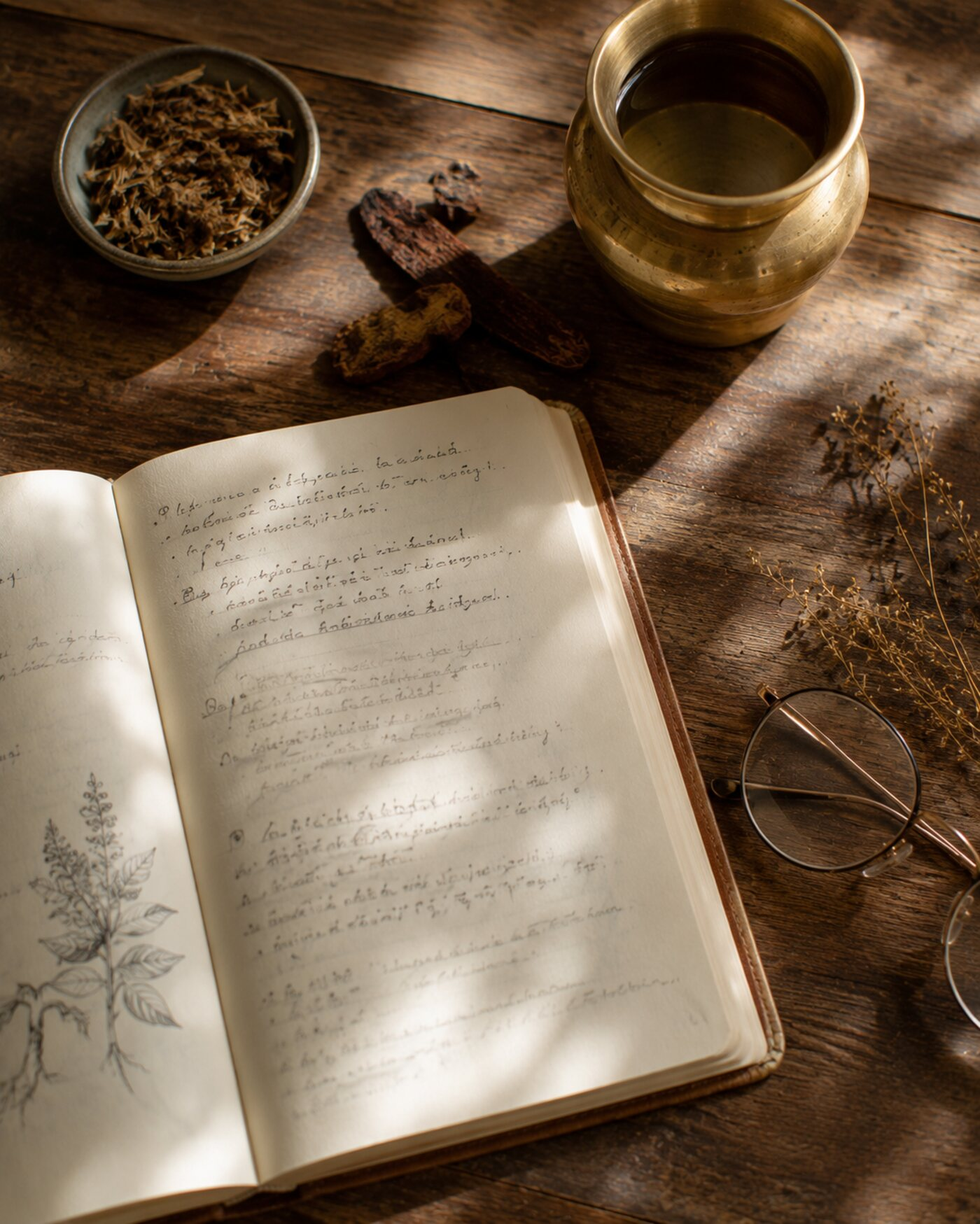
Ayurveda perceives time as a series of natural rhythms that influence the flow of Prana. Dinacharya, the Ayurvedic daily routine, offers a gentle way to align personal habits with these larger cycles.
The Morning Ritual: Welcoming Prana
The hours before sunrise are considered especially rich in Prana. Rising early, tongue scraping, oil pulling, warm water, self-massage, and bathing can help clear the pathways through which Prana moves.
Mealtimes and the Nourishment of Prana
Food is more than calories in Ayurveda. Fresh, seasonal meals taken at regular times and eaten in a calm environment become a source of Prana and steady nourishment.
Midday and Evening Transitions
Short periods of rest, quiet reflection, mindful movement, and reduced evening stimulation help prevent depletion and support the natural restoration of Prana.
Seasonal Awareness Within Daily Living
Dinacharya adapts to the seasons. Cooler months may call for warmer, grounding practices, while warmer seasons may benefit from lighter foods and cooling routines.
By weaving these practices into daily life, Prana becomes less elusive and more of a felt presence supported by the structure of a mindful day.