
Aligning with the Seasons – Ritucharya for Harmonious Living Year-Round
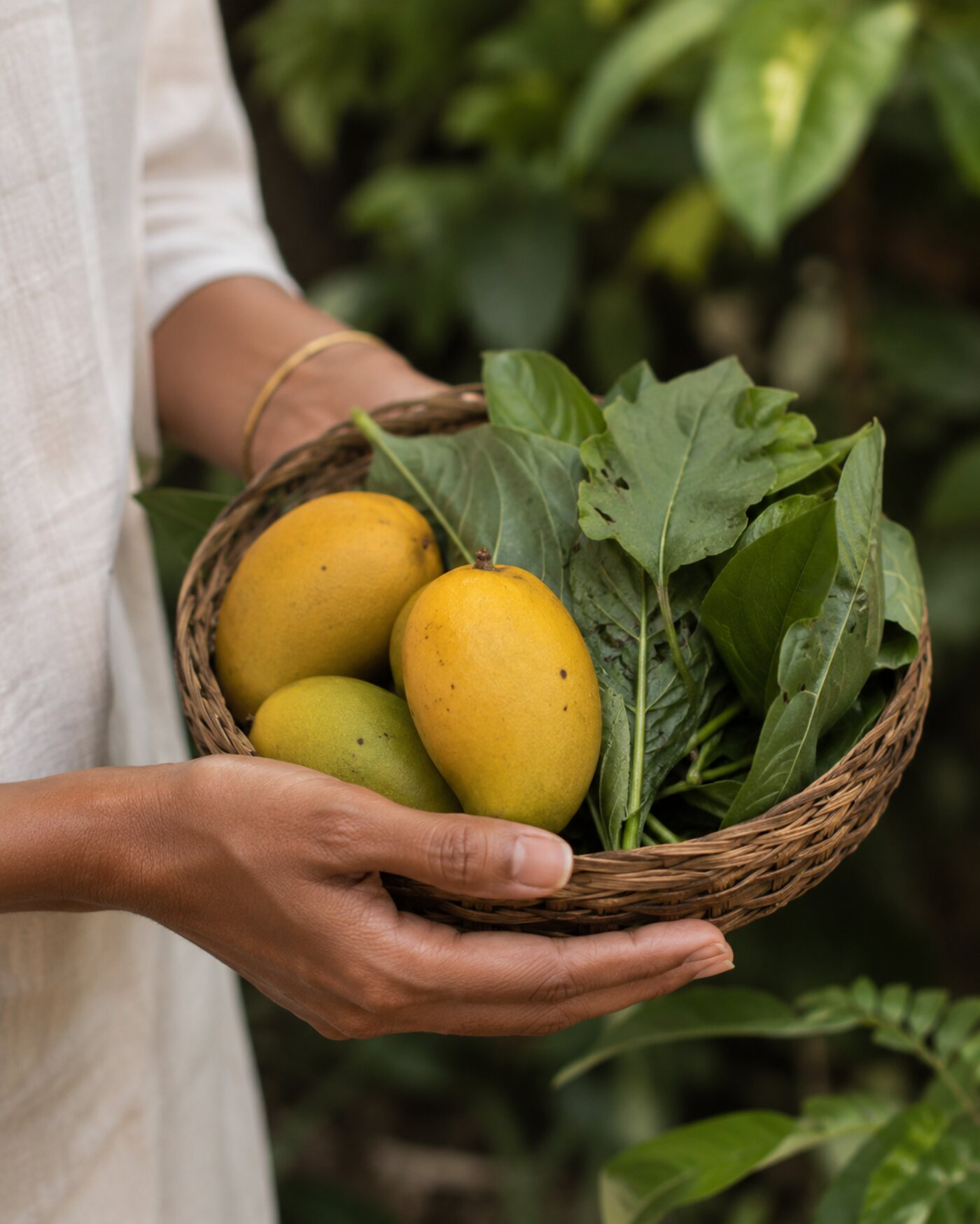
Nature moves in graceful cycles, and Ayurveda invites us to move with her. Ritucharya, the seasonal regimen, teaches that health is maintained not by rigid habits but by intelligent adaptation to the changing qualities of each season.
Just as the doshas shift with climate and light, our daily choices in food, activity, and rest can either support or disrupt inner equilibrium.
When we ignore seasonal shifts—eating heavy foods in summer or remaining sedentary in winter—imbalances accumulate. Ritucharya offers elegant guidance to keep prana flowing freely, Agni steady, and Ojas protected through every turn of the year.
This seasonal awareness transforms daily life from a fixed routine into a living dialogue with the world around us.
The Philosophy of Seasonal Harmony
Ayurveda divides the year into six ritus, each dominated by particular doshic qualities. Spring, or Vasanta, increases Kapha; summer, or Grishma, aggravates Pitta; monsoon, or Varsha, disturbs Vata; autumn, or Sharad, again heightens Pitta; early winter, or Hemanta, and late winter, or Shishira, strengthen Kapha and Vata respectively.
By observing these patterns, we adjust our daily rhythms to prevent the doshas from straying too far from balance.
This is not about restriction but about intelligent nourishment. The body naturally seeks what it needs when we listen. Seasonal living therefore becomes a profound act of self-care woven into ordinary days.
Spring: Lightening and Renewing
As winter’s heaviness melts into spring’s moisture, Kapha can accumulate. Daily routines emphasize stimulation: earlier rising, more vigorous movement, and lighter meals featuring bitter, pungent, and astringent tastes.
Leafy greens, sprouts, and honey in warm water may support this seasonal shift when suitable for the individual. Dry brushing before bathing and regular exercise help mobilize stagnation.
This period invites gentle cleansing practices that prepare the body for the active months ahead.
Summer: Cooling and Protecting
Intense heat increases Pitta. Daily life favors cooling routines—earlier but not overly early rising, midday rest when possible, and abundant sweet, bitter, and cooling foods such as cucumber, coconut, mint, and sweet fruits.
Avoid excessive sun exposure during peak hours and favor light clothing in natural fibers.
Evening walks at dusk and moon gazing can soothe overheated minds. Hydration with room-temperature or slightly cool water infused with rose or coriander supports fluid balance without weakening Agni.
Monsoon and Autumn: Grounding and Balancing
During the rainy season, Vata becomes vulnerable amid fluctuating temperatures and humidity. Warm, unctuous, and easily digestible foods—soups, stews, ginger, and warming spices—become daily allies.
Abhyanga grows even more important for lubrication. In autumn, as Pitta reasserts itself with clearer skies, shift toward bitter and sweet tastes while maintaining enough warmth to prevent residual summer heat from lingering.
Winter calls for the richest nourishment: warming grains, ghee, nuts, and root vegetables. Later rising may be acceptable, yet maintaining some movement prevents Kapha stagnation.
Evening routines that include warm oil massage and early, light dinners prepare the body for restorative sleep amid longer nights.
Practical Daily Adjustments Across Seasons
Observe how your appetite, energy, and sleep needs change with the weather and respond accordingly. In transitional periods, favor routine even more strongly to anchor the system.
Keep a simple journal noting digestion, mood, and sleep; patterns often reveal which seasonal adjustments bring the greatest ease.
Clothing, bathing temperature, and even the timing of meals become tools of balance rather than mere habits.
Living Seasonally as Daily Wisdom
Ritucharya reminds us that Ayurveda is not static but responsive. By attuning daily choices to the season’s qualities, we reduce the effort required to maintain health and instead ride nature’s currents with grace.
The body feels supported rather than managed.
As you deepen your relationship with these seasonal principles, may each shift in weather become a gentle reminder to pause, observe, and realign.
In this way, daily life itself becomes a continuous expression of Ayurvedic harmony.