
Understanding Prana: The Energy of Life
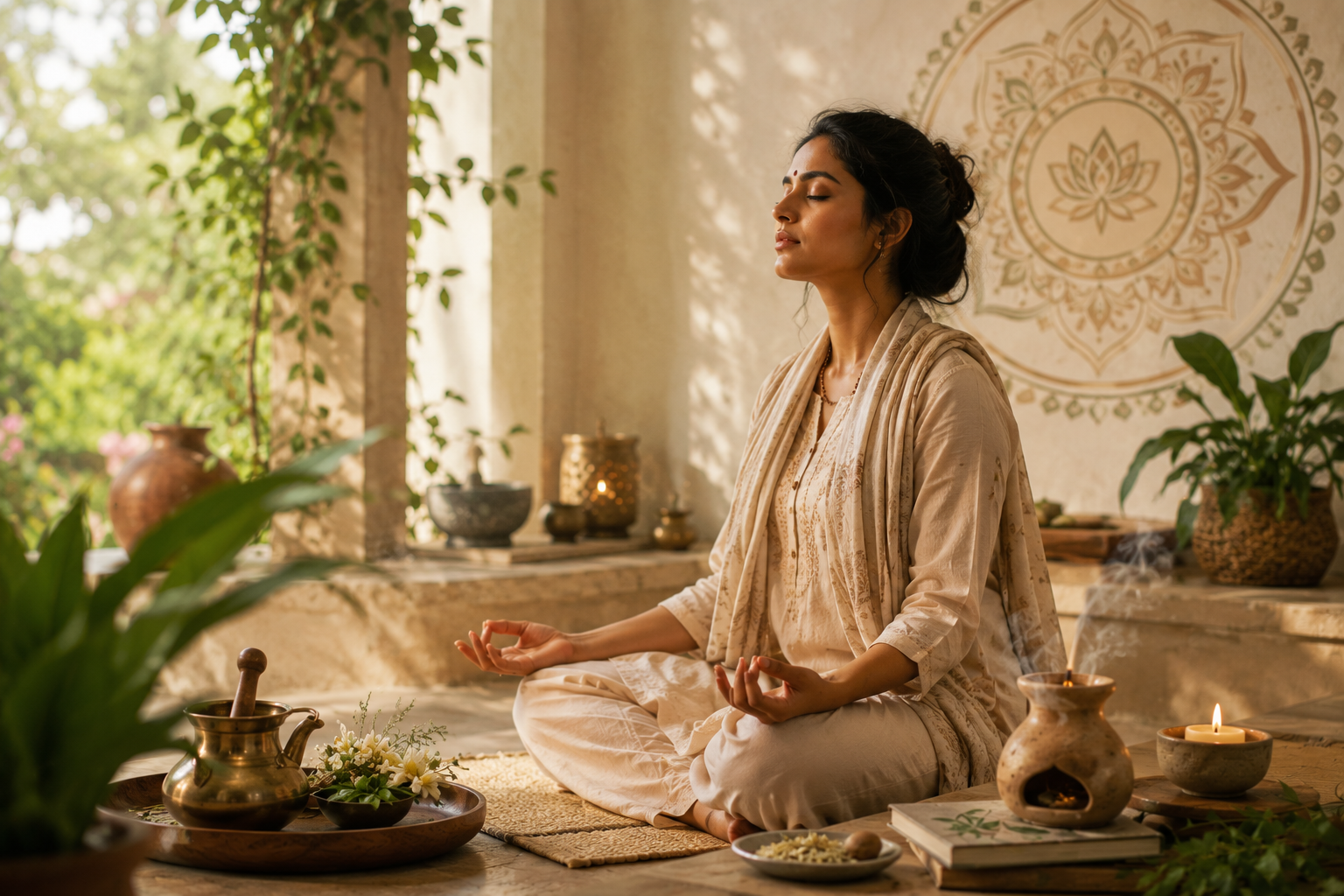
In Ayurveda and yogic tradition, prana is understood as the vital life force that moves through all living things. It is closely connected with breath, energy, awareness, movement, and the natural rhythm of life.
The word “prana” is often translated as life energy or vital force. It is the subtle energy that supports the body, awakens the mind, and gives life its sense of movement and presence. Every breath we take, every thought we form, and every action we make is connected to this flow of energy.
PRANA stands for Pure Rejuvenation And Natural Alignment. This name reflects the idea that true wellness begins when we return to breath, balance, and mindful living.
What Is Prana?
Prana is more than physical breath, but breath is one of the easiest ways to understand it. When the breath is calm, steady, and full, the body often feels more relaxed and grounded. When the breath becomes shallow or rushed, the body may feel tense, tired, or unsettled.
In daily life, we can often feel the condition of our prana through our energy. Some days we feel clear, present, and alive. Other days we may feel heavy, distracted, or drained. Ayurveda teaches that our lifestyle, food, sleep, emotions, environment, and thoughts can all influence the way prana flows within us.
When prana moves well, we may experience more vitality, clarity, patience, and inner steadiness. When prana feels disturbed, we may feel scattered, restless, anxious, or disconnected from ourselves.
Prana and the Breath
Breath is one of the most direct ways to connect with prana. Unlike many functions of the body, breathing happens naturally, but it can also be guided with awareness.
A few slow breaths can help bring attention back to the present moment. This is why many wellness traditions use breathing practices to support calmness, focus, and balance.
You do not need a complicated technique to begin. You can simply pause, sit comfortably, and notice your breathing. Allow the breath to become slower and softer. Feel the inhale gently expand the body, and feel the exhale release tension.
Even one minute of mindful breathing can create a small shift in the body and mind.
How Daily Life Affects Prana
Prana is influenced by the way we live. When our daily routine is rushed, overstimulated, and disconnected from rest, our energy can become disturbed. Too much screen time, lack of sleep, irregular meals, stress, and constant busyness may leave the body feeling depleted.
On the other hand, simple and steady habits can support the flow of prana. A peaceful morning, nourishing meals, time in nature, regular rest, and quiet reflection can help the body feel more balanced.
Ayurveda encourages us to look at wellness as a daily rhythm. Small choices repeated consistently often have a deeper impact than occasional big changes.
Signs of Balanced Prana
When prana feels balanced, the body and mind may feel more connected. You may notice a sense of ease in your breathing, better focus, steadier energy, and more emotional calm.
Balanced prana may feel like:
* Clearer thinking
* A calmer nervous system
* Better energy throughout the day
* More natural motivation
* Improved awareness of the body
* A sense of inner spaciousness
* Better connection with breath and movement
This does not mean every day will feel perfect. Balance does not remove all challenges. Instead, it helps us respond to life with more steadiness and awareness.
Signs That Prana May Feel Disturbed
When prana is disturbed, we may feel disconnected from our body or overwhelmed by the mind. The breath may become shallow. The body may feel tense. Thoughts may feel scattered.
Some common signs may include:
* Feeling restless or anxious
* Shallow breathing
* Mental fog or lack of focus
* Low energy
* Difficulty resting
* Feeling emotionally unsettled
* A sense of being rushed even when there is no urgent task
These signs are not something to fear. They are invitations to pause and return to simple practices that support balance.
Simple Ways to Support Prana
Supporting prana does not require a perfect lifestyle. It begins with small, mindful practices that help the body and mind return to rhythm.
1. Practice Slow Breathing
Take a few moments each day to breathe slowly and intentionally. You can begin with five gentle breaths before starting work, before eating, or before sleeping.
2. Spend Time in Nature
Nature naturally supports the senses. A short walk, sunlight in the morning, fresh air, or time near plants can help the body feel more connected and calm.
3. Eat With Awareness
Ayurveda values not only what we eat, but how we eat. Eating in a calm environment, chewing slowly, and avoiding rushing through meals can help support digestion and energy.
4. Create a Gentle Morning Rhythm
A peaceful morning can support the flow of prana for the rest of the day. Try starting with warm water, breathing, stretching, prayer, journaling, or a quiet moment before checking your phone.
5. Reduce Overstimulation
Too much noise, screen time, stress, and constant activity can disturb the mind. Creating moments of silence or simplicity can help restore inner balance.
6. Prioritize Rest
Rest allows the body to renew. A consistent sleep schedule, a calming evening routine, and quiet time during the day can help restore energy.
Prana and Natural Alignment
Natural alignment means living in a way that supports the body’s natural intelligence. It is not about forcing ourselves into strict routines. It is about learning what helps us feel steady, clear, and present.
When we support prana, we support this natural alignment. Breath becomes steadier. Energy becomes more balanced. The mind becomes less scattered. The body begins to feel more like a place of awareness rather than a place of tension.
This is why the idea of prana is central to the heart of PRANA. It reminds us that wellness is not only physical. It is also energetic, emotional, mental, and spiritual.
A Simple Prana Practice
Here is a simple practice you can try:
Sit comfortably.
Place one hand on your chest or abdomen.
Take a slow inhale through the nose.
Pause gently.
Exhale slowly.
Repeat this for five to ten breaths.
As you breathe, notice the body softening. Notice the mind slowing down. Notice that you do not need to rush. This simple return to breath is a return to prana.
Final Thoughts
Prana is the energy of life. It moves through the breath, supports the body, steadies the mind, and connects us to the rhythm of nature.
In a busy world, it is easy to become disconnected from this life force. But the path back can be simple. Breathe slowly. Eat with awareness. Rest deeply. Spend time in nature. Create space for quiet. Listen to the body.
When we care for prana, we care for the whole person.
Understanding prana is not only about learning an ancient concept. It is about remembering how to live with more presence, vitality, and natural alignment.